

2025-10-03
Customer Feedback
Smart Assistance, Reduced Workload — Exoskeleton Training Successfully Completed
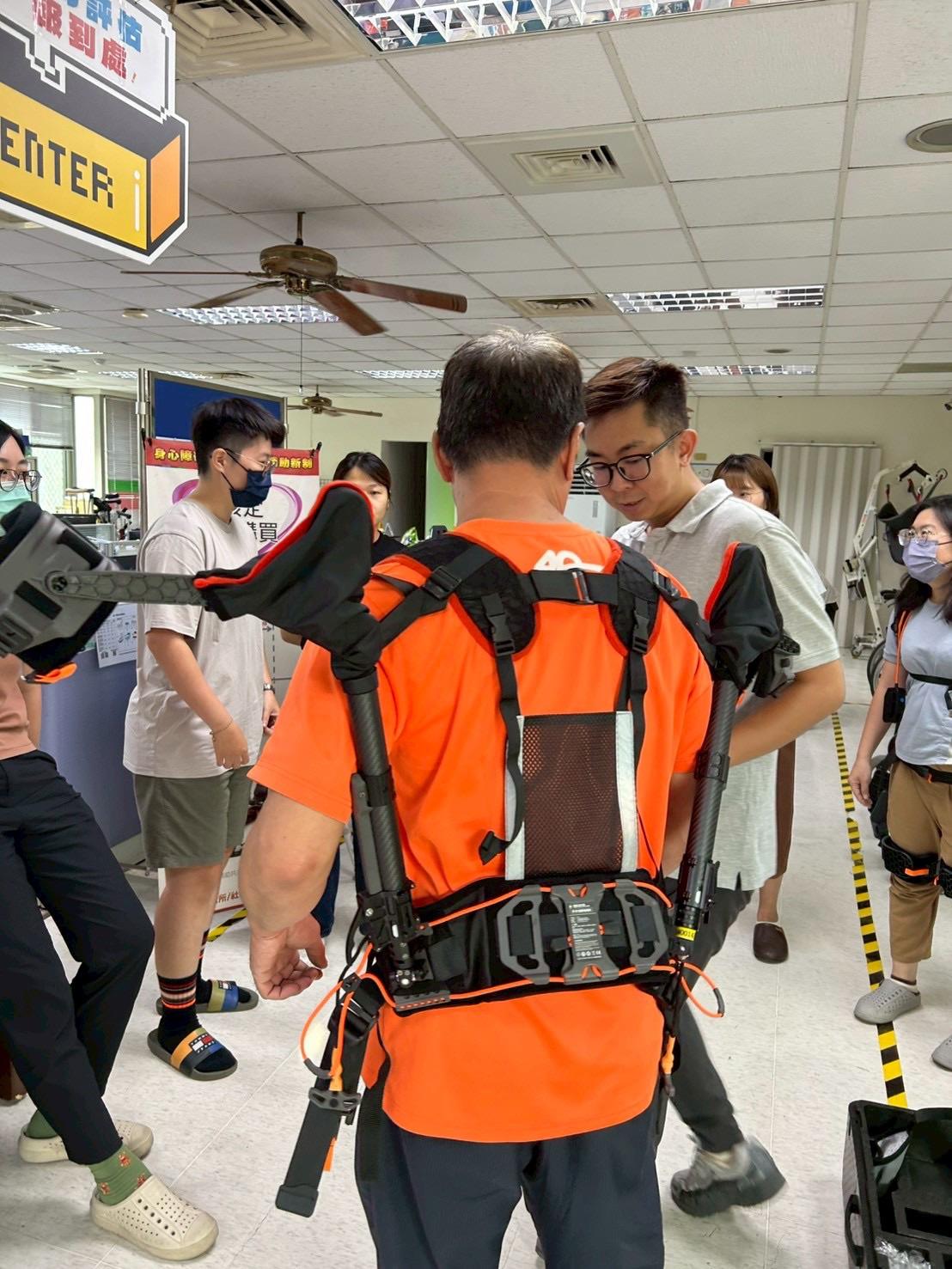
Get Moving! Experience the Incredible Power of Exoskeleton Technology
Preface
To enhance the efficiency and safety of long-term care workers, our organization has introduced exoskeleton assistive devices and conducted specialized training programs. Through systematic learning and hands-on practice, participants have become proficient in operating the exoskeletons, successfully integrating technological assistance into their daily caregiving routines.
Training Highlights
- Proper Wearing and Adjustment: Learn how to quickly and safely wear the exoskeleton to ensure comfort and stability.
- Operational Skills: Master assisted movements for lifting, supporting, and transferring to reduce physical strain.
- Safety Guidelines: Emphasize precautions during use to prevent accidents caused by improper operation.
- Maintenance and Care: Understand daily inspection and cleaning methods to extend the equipment’s lifespan.
Training Outcomes
- Participants reported a significant reduction in lower back strain, making patient handling easier.
- Improved caregiving efficiency, allowing more focus on interaction and emotional support for the elderly.
- Established team consensus, recognizing the exoskeleton as an essential tool in daily care routines.
Future Outlook
- Continue offering advanced training to enhance operational proficiency.
- Collect user feedback to optimize exoskeleton application processes.
- Promote wider adoption of exoskeletons across various care settings to create safer and more supportive workplaces.
Conclusion
Exoskeletons are not just technological products—they are vital partners in safeguarding the health of long-term care workers. Through effective training, the power of technology is transformed into practical support, making caregiving work easier and more professional.