
Empowering Workers with Exoskeleton Assistance
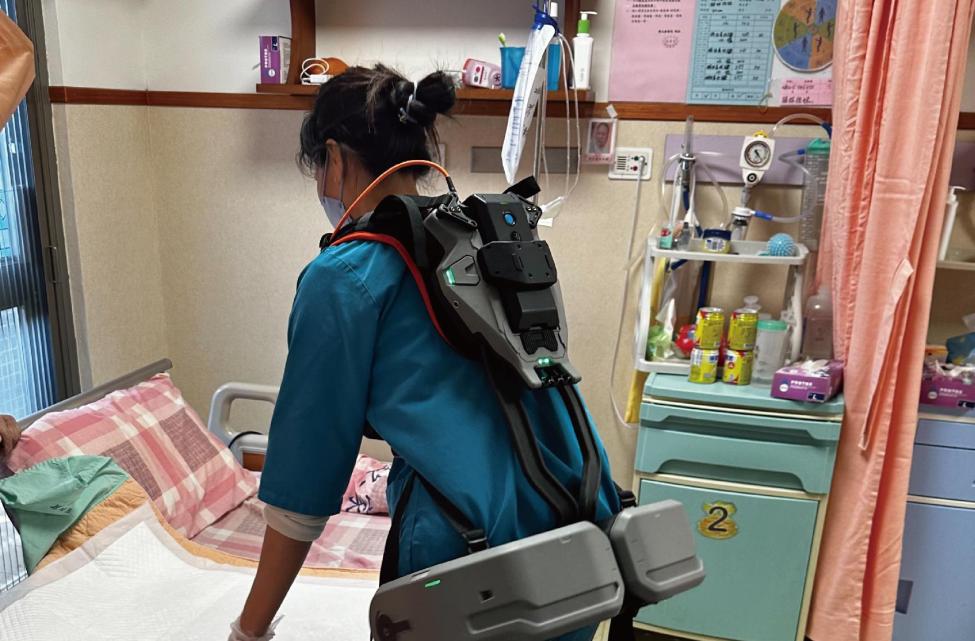
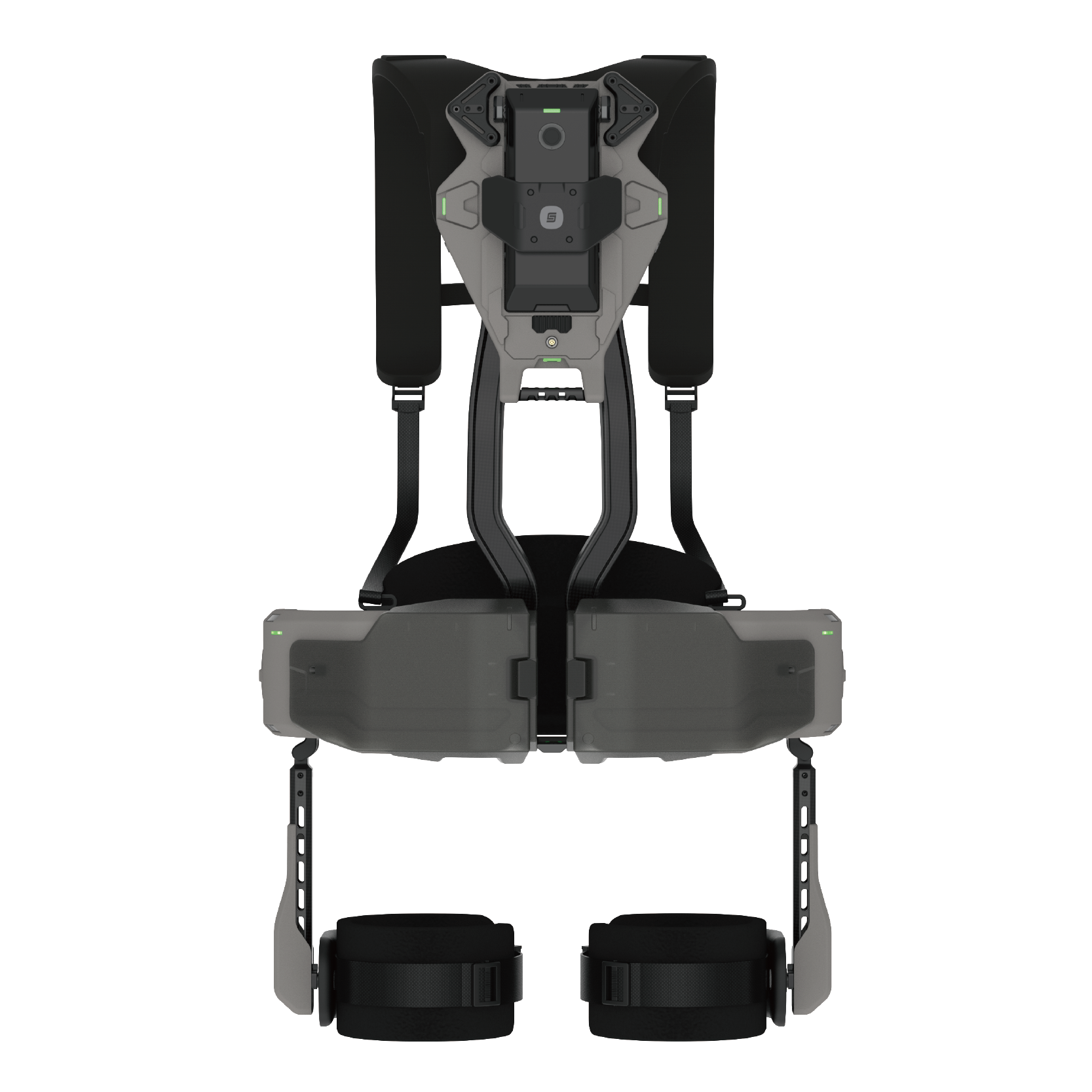
Designed for caregivers assisting older adults with mobility limitations during repositioning and transfers, the device can be easily put on and taken off without assistance.
In 2023, people aged 65 and above accounted for approximately 15% of the total population. Population aging has created challenges for healthcare services, chronic disease rehabilitation, long-term care, and economic security. Nursing homes accommodate a large number of older adults, where caregivers often need to support multiple residents simultaneously. Many residents have disabilities or mobility limitations and require assistance with standing up, repositioning, transfers, getting out of bed, and rehabilitation exercises. As a result, caregivers are frequently required to perform repetitive bending, lifting, and transfer tasks over extended periods, leading to significant physical strain.
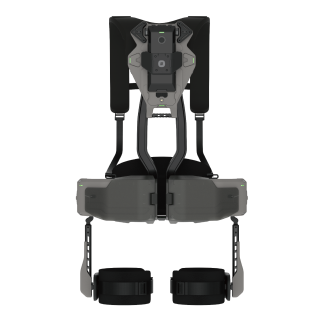
Combining ergonomic design with advanced mechanical assist technology, the exoskeleton provides reliable support to help reduce physical strain during lifting, material handling, overhead work, and repetitive tasks. By relieving muscle fatigue in the shoulders, arms, and lower back, it enhances operator comfort, improves productivity, and helps create a safer, healthier, and more efficient workplace.
In 2023, people aged 65 and above accounted for approximately 15% of the total population. Population aging has created challenges for healthcare services, chronic disease rehabilitation, long-term care, and economic security. Nursing homes accommodate a large number of older adults, where caregivers often need to support multiple residents simultaneously. Many residents have disabilities or mobility limitations and require assistance with standing up, repositioning, transfers, getting out of bed, and rehabilitation exercises. As a result, caregivers are frequently required to perform repetitive bending, lifting, and transfer tasks over extended periods, leading to significant physical strain.
Combining ergonomic design with advanced mechanical assist technology, the exoskeleton provides reliable support to help reduce physical strain during lifting, material handling, overhead work, and repetitive tasks. By relieving muscle fatigue in the shoulders, arms, and lower back, it enhances operator comfort, improves productivity, and helps create a safer, healthier, and more efficient workplace.
Exoskeleton-Based Solutions
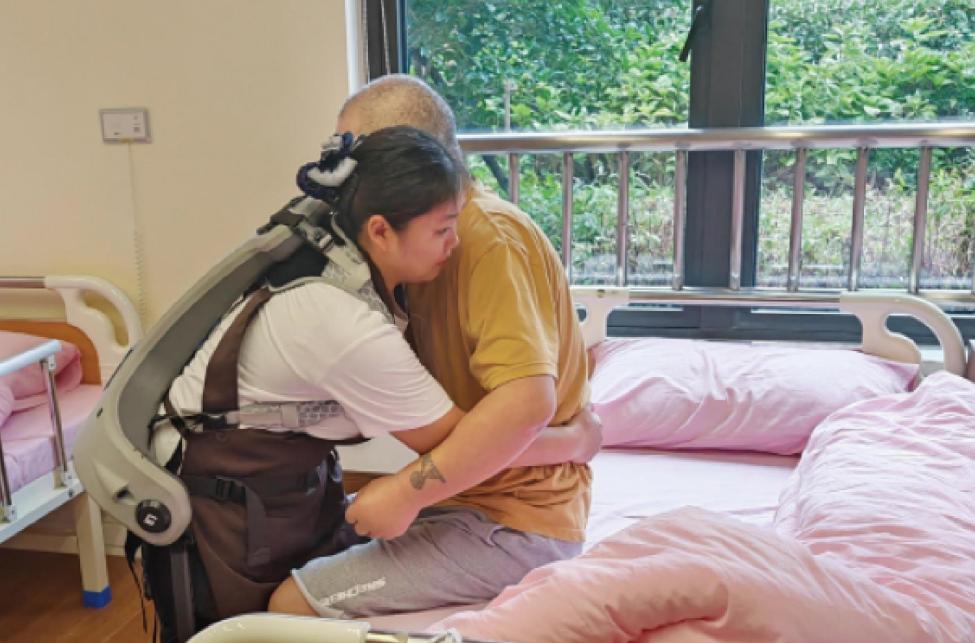
The exoskeleton assists care assistants with their daily tasks, helping them care for bedridden patients and supporting nursing staff with basic nursing procedures and routine care activities. Care assistants are required to regularly monitor patients’ conditions, record vital signs and mental status information, and promptly report updates to nurses. They also assist patients with daily personal care, including hygiene, changing clothes, and diaper changes. The image below shows a care assistant using a waist exoskeleton to help an elderly person get up from bed.