

Why wear an exoskeleton?
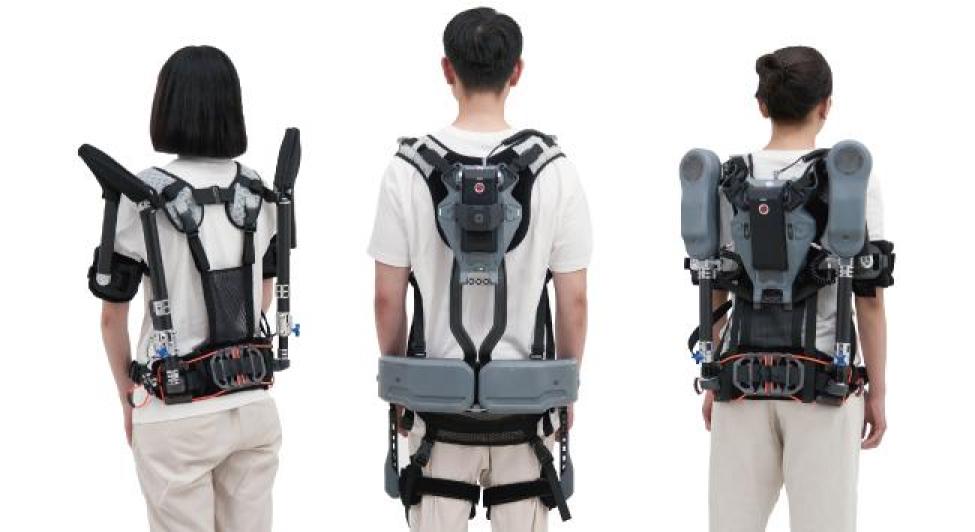
Smart Exoskeleton — Relieving the Burden on Your Body
Why Wear an Exoskeleton?
Exoskeleton devices are designed to reduce physical strain, improve work efficiency, and prevent occupational injuries. They are especially suitable for environments that involve prolonged lifting, bending, or repetitive movements.
How Can an Exoskeleton Help?
🔍 Reduce Muscle and Joint Strain
The exoskeleton assists the arms and lower back, reducing muscle exertion and minimizing fatigue during operations.
🔍 Prevent Occupational Injuries
Effectively lowers the risk of strains, sprains, and chronic injuries to the lower back, shoulders, and spine caused by repetitive or prolonged exertion.
🔍 Improve Posture and Support
Provides stable support to help maintain proper posture, preventing physical stress from prolonged bending or poor positioning.
🔍 Enhance Work Efficiency
Reduces fatigue accumulation, allowing workers to perform lifting or repetitive tasks more easily and efficiently.
🔍 Extend Work Endurance
Decreases physical energy consumption, enabling users to sustain longer working periods with less fatigue.
✅ Key Benefits
Reduce Strain and Boost Efficiency
Provides powered assistance to the arms and lower back, reducing physical effort, minimizing fatigue, and improving productivity.
Reduce the Risk of Work-Related Injuries
Helps reduce muscle and joint strain caused by prolonged lifting, repetitive movements, and physically demanding tasks.
Improve Stability and Support
Provides stable support for the upper body and lower back, making lifting and handling tasks safer and more controlled.
Increase Work Endurance
Reduces fatigue, enabling workers to maintain performance and productivity over extended periods.
⚠️ Limitations
Higher Initial Investment
Powered exoskeletons typically require a higher initial investment than conventional protective gear or assistive devices.
Charging and Maintenance Requirements
Powered by electrical systems, exoskeletons require regular charging and routine maintenance to ensure optimal performance.
Weight and Wearing Comfort
Some models may be heavier than others, and extended use may cause discomfort for some users.
User Adaptation and Training
Users may need time to become familiar with the device and its operation, which can temporarily affect productivity during the initial adoption period.